If you have ever opened Google Ads or Meta Ads Manager and frozen at the pricing options, this is the article that unsticks you. A cost per click campaign is not complicated once the three letters that dominate paid advertising - CPC, CPM and CPA - stop blurring together. This is the plain-English version, written the way we teach it on our practical marketing programme.
What a cost-per-click campaign actually is
In a CPC campaign, you pay each time someone clicks your ad - not when it is shown, and not when they buy. The headline number, your campaign CPC, is simply total spend divided by total clicks. Spend £150 and get 300 clicks and your cost per click is £0.50.
CPC is popular for one honest reason: you only pay for a measurable action. An impression might be ignored; a click is someone choosing to visit you. That makes a cost per click campaign the sensible default when your goal is traffic - to a landing page, a product, or an enquiry form.
CPC vs CPM vs CPA - the three you will always compare
Almost every conversation about CPC, CPA and CPM comes down to what you are paying for:
- CPM (cost per mille) - you pay per thousand impressions, regardless of clicks. Best when the goal is reach or brand awareness and you want as many eyeballs as possible for the budget.
- CPC (cost per click) - you pay per click. Best when the goal is visits and you want to pay only for interest.
- CPA (cost per acquisition) - you pay, or you measure, per completed action such as a sale or sign-up. It is the number that actually decides whether the campaign made money.
The trap is optimising the wrong one. A low CPC that produces no sales is worse than a higher CPC that does. This is why experienced marketers plan CPA, CPC and CPM marketing campaigns together: CPM tells you how cheaply you can be seen, CPC how cheaply you can be visited, and CPA whether any of it paid off. If you are weighing the first two head to head, CPC vs CPM in Google Ads goes deeper on when to pick each.
How the auction and your maximum cost-per-click bid work
Ad platforms do not sell clicks at a fixed price - they run an auction every time an ad slot appears. You set a maximum cost per click bid, the most you are willing to pay for one click, and the platform charges you only what it takes to win the slot, usually less than your ceiling.
Setting a maximum cost per click bid limit protects your budget from runaway costs, but set it too low and your ad simply never wins the auction. Most platforms now offer automated bidding that manages this for you against a target - which is fine once you understand what it is doing on your behalf, and dangerous if you hand it a budget before you do. The trade-off between doing this by hand and letting the machine run it is covered in manual CPC vs automated bidding, and whether to push bids up or down in do you want higher or lower CPC bids.
Why cost per click varies so wildly
The same product can cost pennies per click on one platform and pounds on another, because CPC reflects competition and commercial intent. Two quick benchmarks make the point:
- LinkedIn ads cost per click is among the highest of any channel - often several pounds and sometimes far more - because you are buying access to a professional audience with job titles, seniority and company attached. For B2B and recruitment, that precision can justify the price.
- Pinterest ads cost per click typically sits at the low end, because intent is broader and the audience is in discovery mode rather than buying mode.
Neither is "better." A high LinkedIn ads cost per click that reaches decision-makers can outperform a cheap click that never converts. Judge every channel by CPA, not by CPC in isolation. The same logic applies whether you are running a flipkart cpc campaign for e-commerce listings or a lead-generation push on search. Before you panic at a high number, read why your Google Ads cost per click is so high - and to sanity-check your own figure, what is a good cost per click for your industry.
Measuring: connect campaign CPC to your analytics
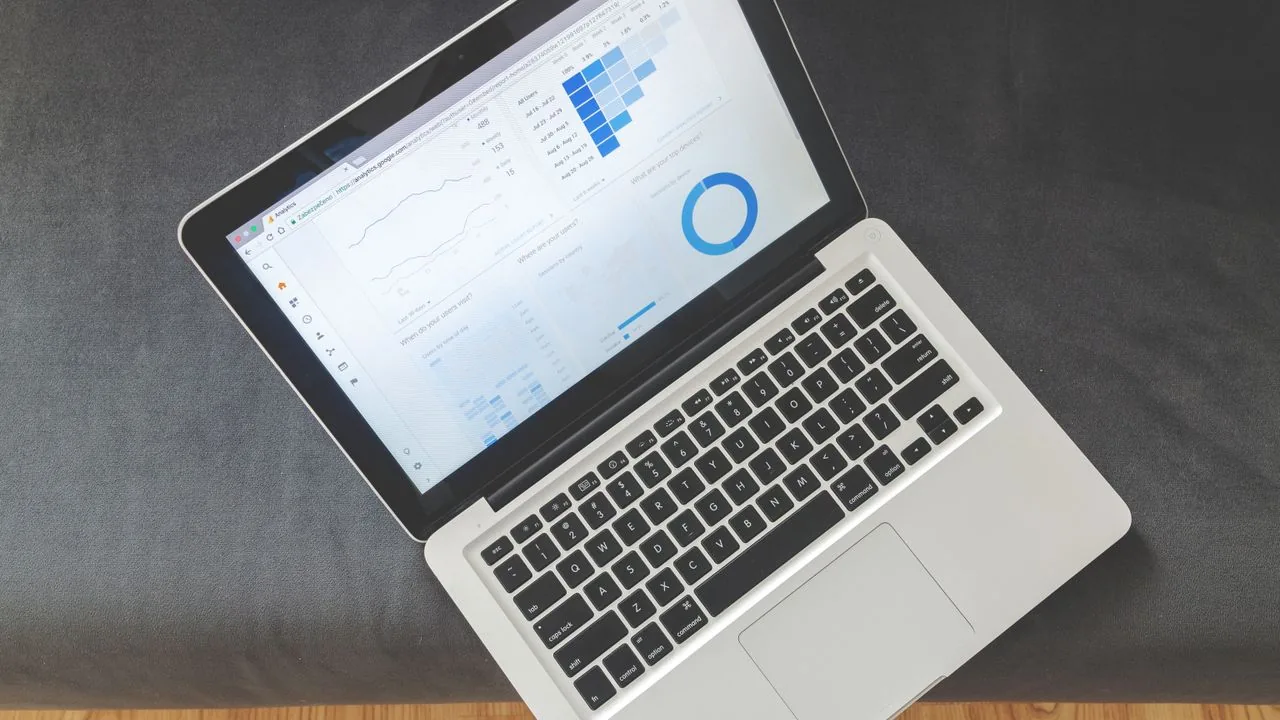
A number inside the ad platform is only half the story. To know whether clicks became customers, tag your ad URLs and watch the traffic land in Google Analytics as google / cpc - the channel grouping that shows exactly which visits came from a paid cost per click campaign. Line that up against conversions and you can finally answer the only question that matters: did this campaign CPC produce enough value to be worth repeating?
Without that link, you are optimising blind - trimming a cost per click bid limit on a campaign that was quietly your best performer.
A simple planning method
- Start from the goal. Awareness leans CPM; traffic leans CPC; sales are judged on CPA. Pick the metric before the platform.
- Set a realistic maximum cost per click bid using the platform's own suggested range, then a firm daily budget.
- Run small, read the data. Give it enough clicks to be meaningful before you judge it - a handful of clicks tells you nothing.
- Compare on CPA. Move budget toward whatever produces the cheapest acquisitions, even if its CPC looks high.
- Iterate weekly. Kill what does not convert, scale what does.
Learn this on real campaigns
Reading about CPC, CPM and CPA gets you to the starting line; running live budgets is where it becomes a skill. On the Digital Marketing in Practice course at London School of Business UK, you plan and optimise real cost per click campaigns across Google, Meta and LinkedIn as part of a paid-advertising module - and read the results in analytics rather than in theory. Explore the course, or contact us with any questions.